Visit Coruña
Enjoy the experience of the city
Snorkeling
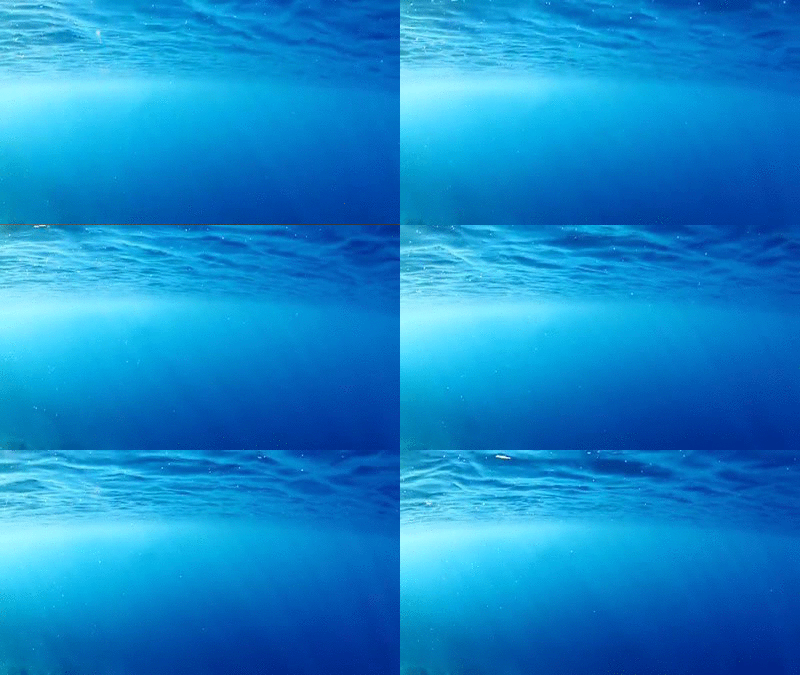
Snorkeling (British and Commonwealth English spelling: snorkelling) is the practice of swimming on or through a body of water while equipped with a diving mask, a shaped tube called a snorkel, and usually fins. In cooler waters, a wetsuit may also be worn. Use of this equipment allows the snorkeler to observe underwater attractions for extended periods of time with relatively little effort.
Snorkeling is a popular recreational activity in La Coruña. The primary appeal is the opportunity to observe underwater life in a natural setting without the complicated equipment and training required for scuba diving. It appeals to all ages because of how little effort there is, and without the exhaled bubbles of scuba-diving equipment.

Snorkeling is a wonderful activity that can be enjoyed by almost anyone who has access to the ocean, a lake, river, pond or quarry. Snorkeling as an activity frequently lives in the shadows of scuba diving - another excellent pastime, but one that requires significantly more instruction, time and money. Most people who have snorkeled have done so only on group charters while on vacation, but snorkeling is an activity that can be done almost anytime, anywhere.
The most important thing for a snorkeler is to get comfortable wearing the mask and breathing through the snorkel. Some people get anxious and have difficulty breathing through a snorkel while wearing a mask, so it is important to test things out in shallow water first. Many first timers have jumped into the water on a snorkeling charter only to realize they aren't comfortable wearing a mask and breathing through a tube - this often takes a few minutes to get used to. While standing in shallow water, practice putting your face below the surface and looking through the mask. You can breathe through the snorkel while looking around at the aquatic life. In shallow waters this can be a fantastic way to see many things without expending the energy of swimming.

If Your Mask Fogs
Sometimes the inside surface of a snorkeling mask will begin to fog. This happens when moisture in your breath condenses on the cold glass surface of the mask. To avoid this, regularly clean both the inside and outside of your mask with soap and water to remove all dirt and grease. If your mask begins to fog during a dive you can clear it by allowing a little water to flow into the mask. Then look downward to wash the condensation from the lens and clear the water out of the mask.
The most important safety tip while snorkeling is to never do it alone. An overwhelming number of accidents happen to divers who go it alone, so having a buddy with you is a valuable asset in case of mishap. Choose a buddy who you are comfortable with and stay close together while you are out. And don't snorkel if you cannot swim. It sounds like common sense, but we receive a surprising amount of email on this subject.
Stay close to shore. Beginning snorkelers often misjudge their own capabilities and endurance and find themselves worn out or exhausted. Be sure to stay close to shore or reserve enough energy to get yourself back safely. Move onto your back and tread water for a few minutes to regain energy before coming back in if you are already tired or must return through rough surf or strong currents.